Calcium Stearate PVC extrusion applications commonly use calcium stearate as part of the lubrication system for rigid PVC processing. It helps reduce friction during extrusion and supports smoother processing of PVC compounds.
Role of Calcium Stearate in PVC Processing
During PVC extrusion, the compound passes through equipment under controlled temperature and pressure. Friction between the material and metal surfaces can affect processing stability and surface quality. Calcium stearate can act as a lubricant, helping reduce this friction and supporting consistent material flow.
Calcium Stearate for PVC processing can also contribute to better processing consistency and help reduce material sticking to processing surfaces. The actual performance depends on the complete formulation, processing conditions and equipment.
Benefits in PVC Extrusion
Some potential benefits include:
- Reduced friction during extrusion
- Improved lubrication
- Smoother material processing
- Better surface finish
- Improved processing consistency
- Reduced sticking to processing equipment
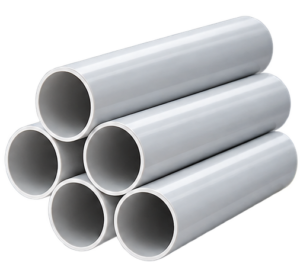
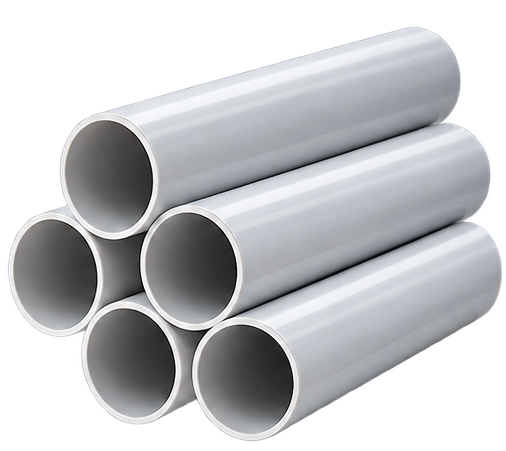
Calcium stearate is used in various rigid PVC applications, including PVC pipes, profiles, fittings, flooring and other extruded products.
Choosing the Right Processing Solution
The optimum calcium stearate level depends on the formulation and production conditions. Manufacturers should conduct formulation and production trials to determine the appropriate dosage for their specific application.
For manufacturers seeking an alternative, CS Ultra can be evaluated as a calcium stearate replacement for suitable PVC processing applications. It is designed to support lubrication, dispersion and extrusion performance.
Conclusion
Calcium Stearate PVC extrusion plays an important role in supporting smooth and consistent processing. Selecting and optimizing the right lubrication system can help manufacturers improve extrusion performance and maintain consistent PVC product quality.